Virtual therapy (also referred to as online or internet therapy, distance therapy, cyber therapy or e-therapy) is used to describe the variety of ways a professional counselor or psychotherapist can communicate with you over the Internet or telephone. It may consist of emotional support, mental health advice or the same professional services clients receive in face-to-face therapy. It could be as brief as one question, or an ongoing conversation. It may take the form of e-mail, chat, video or even Internet phone.
Virtual therapy is not the same as traditional face-to-face psychotherapy. However, for many the stigma associated with seeking mental health treatment still gets in the way, or trust issues make it difficult to sit with someone in person while revealing sensitive information.
Virtual therapy can also feel safer or like a good first step for those who feel overwhelmed at the prospect of seeking help and the trust risks involved. For example, many sexual abuse survivors report that they feel too frightened to see a therapist in person, at least in the initial stages of their healing. It may be much less frightening for them to receive therapy online from the safety and familiarity of their own home.
In considering the possibility of Virtual Therapy it is important to consider the potential benefits and areas of concern.
Reasons to Consider Virtual Therapy
In considering the possibility of Virtual Therapy it is important to consider the potential benefits and areas of concern.
|
• Struggling with a mental health diagnosis (e.g., anxiety disorder, agoraphobia or other issues) that makes it difficult to attend traditional therapy. • Live in a rural area. • It is hard to find therapists with the expertise you seek in your area (LGBT affirming therapists, culturally or racially sensitive therapists, or therapists with expertise in complex trauma might be examples). • You are busy, travel out of town for work, have a schedule that conflicts with typical office hours available. |
• Concerned about issues of trust, privacy, and personal disclosure but feel safe to do so in the comfort of your own personal space. • Worried of being physically seen arriving or leaving a therapists office. • Have physical disability , injury, pregnancy or other mobility issues which makes getting to traditional therapy too difficult. • Have never tried therapy and feel this would be an easier way . |

|
|
Before Starting Virtual Therapy
• Virtual Therapy is not the best resource for people in immediate crisis. Crisis lines, a local walk-in clinic or emergency room may be better options. If you or someone else is actively suicidal, you can call 1-800-SUICIDE.
• Virtual Therapy is still a relatively new field. Make sure you seek out a practitioner who is experienced in general and aware of the specific risks as well as the advantages.
• Match the form of Virtual Therapy to your strengths: If you’re going to work with a therapist by e-mail or chat, you must be comfortable writing expressively, informally, and in some detail. If you don’t like to write, or if you tend to misinterpret written communication, videoconferencing or Internet phone would be better options.
• As in any form of therapy, you must be willing to share your thoughts, feelings and self for therapy to really work. This may be even more the case when your therapist does not have nonverbal information to draw from.
• How comfortable/familiar are you with technology? Those new to email, chat or video conferencing may have a harder adjustment.
• You should have a way to contact the therapist in case technology fails. For example, if your computer crashes in the middle of a session, do you have the therapist's phone number?
• Think about additional privacy/confidentiality issues specific to these formats: others' having access to your computer or email accounts (using a work computer is never a good idea), accidentally sending email to the wrong address, encryption and storage issues.
• Be sure that the online therapist clearly identifies their credentials, areas of expertise. Ideally, you should be able to verify these , for example through a licensing board.
• Potential miscommunications given different communication methods. It can be hard to read tone in email or chat! Can you be prepared to elaborate or ask for clarification rather than assuming the worst?
• Virtual Therapy is still a relatively new field. Make sure you seek out a practitioner who is experienced in general and aware of the specific risks as well as the advantages.
• Match the form of Virtual Therapy to your strengths: If you’re going to work with a therapist by e-mail or chat, you must be comfortable writing expressively, informally, and in some detail. If you don’t like to write, or if you tend to misinterpret written communication, videoconferencing or Internet phone would be better options.
• As in any form of therapy, you must be willing to share your thoughts, feelings and self for therapy to really work. This may be even more the case when your therapist does not have nonverbal information to draw from.
• How comfortable/familiar are you with technology? Those new to email, chat or video conferencing may have a harder adjustment.
• You should have a way to contact the therapist in case technology fails. For example, if your computer crashes in the middle of a session, do you have the therapist's phone number?
• Think about additional privacy/confidentiality issues specific to these formats: others' having access to your computer or email accounts (using a work computer is never a good idea), accidentally sending email to the wrong address, encryption and storage issues.
• Be sure that the online therapist clearly identifies their credentials, areas of expertise. Ideally, you should be able to verify these , for example through a licensing board.
• Potential miscommunications given different communication methods. It can be hard to read tone in email or chat! Can you be prepared to elaborate or ask for clarification rather than assuming the worst?
|
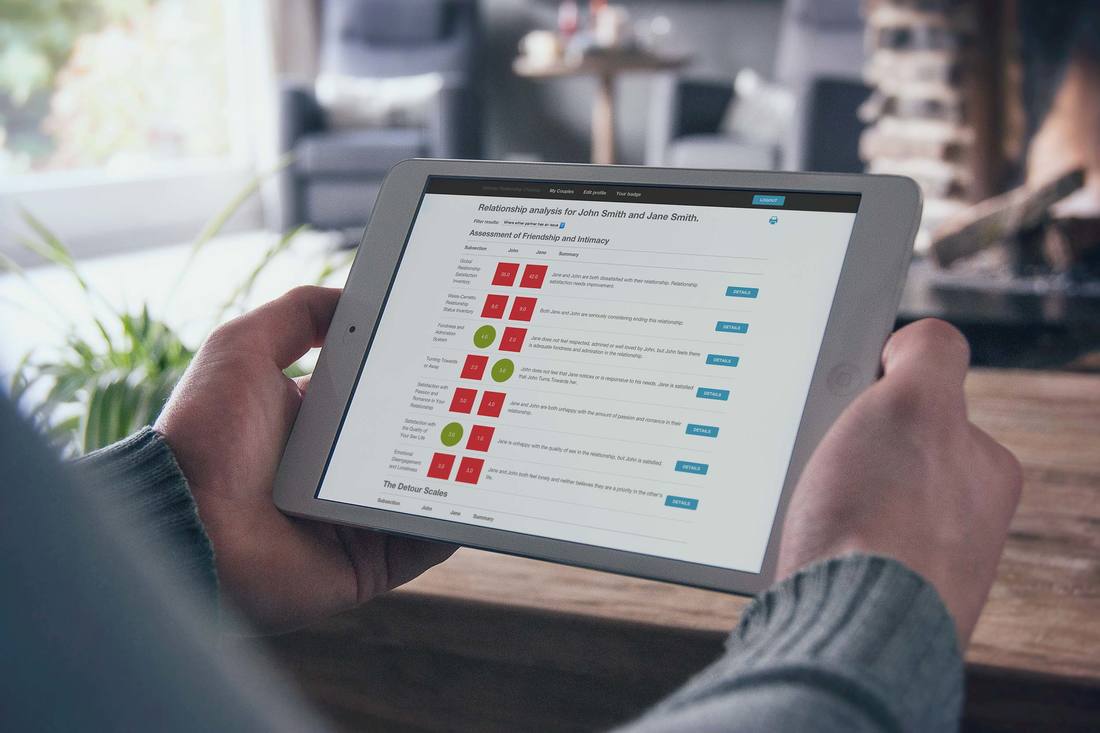
Photo Courtesy of The Gottman Institute.
|